Today
20
in History
26
January
February
March
April
May
June
July
August
September
October
November
December
01
Wed
02
Thu
03
Fri
04
Sat
05
Sun
06
Mon
07
Tue
08
Wed
09
Thu
10
Fri
11
Sat
12
Sun
13
Mon
14
Tue
15
Wed
16
Thu
17
Fri
18
Sat
19
Sun
20
Mon
21
Tue
22
Wed
23
Thu
24
Fri
25
Sat
26
Sun
27
Mon
28
Tue
29
Wed
30
Thu
31
Fri
...
07-01-1963
U.S. Post Office introduces zip codes
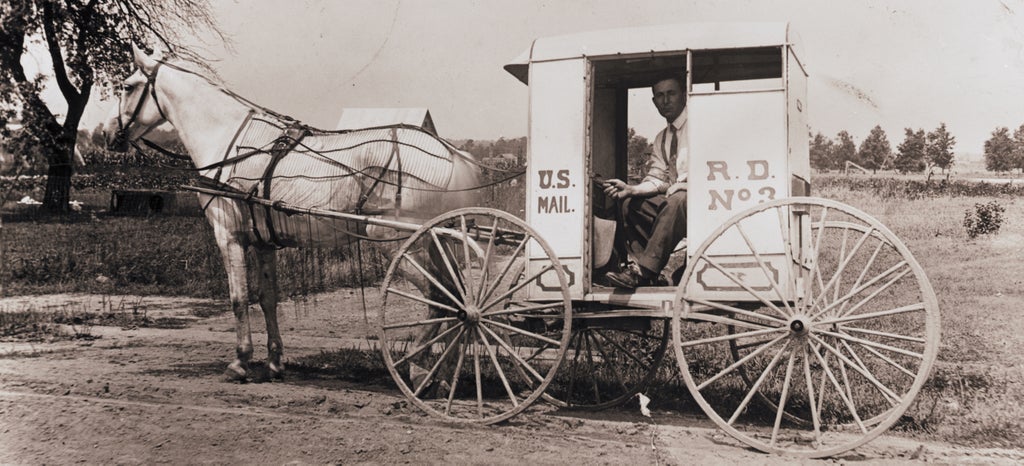
On July 1, 1963, the United States Postal Service (USPS) introduces the Zone Improvement Plan as part of a plan to improve the speed of mail delivery, inaugurating the use of machine-readable ZIP codes to facilitate the efficient sorting of mail at a national level.
The idea wasn’t totally new. In 1943, the Post Office had created numbered zones for more than 100 urban areas around the country. But in the post-WWII boom, that system quickly became inadequate. Between 1943 and 1962, annual mail volume doubled from 33 billion to 66.5 billion pieces, and the average mailed letter passed through an average of 17 sorting stops. Suburbs were sprouting exponentially, and mail transport was shifting from railway to highway and air, making old urban hub systems obsolete.
To automate and streamline this sorting process, the Post Office established the Nationwide Improved Mail Service program, which standardized physical dimensions of the mail and created the five-digit structured code, or ZIP number. The first three digits were invented by Robert Moon, a postal inspector who first introduced his idea in 1944. Another inspector, H. Bentley Hahn, developed the last two digits. The numbers referred to a new and streamlined mail-hub hierarchy, consisting of regions, subregions, post offices and delivery stations.
To launch the system, the USPS invested in a massive public relations campaign throughout the 1960s, first targeting bulk mailers like government agencies and magazine publishers, and then individual citizens. Massive advertising campaigns celebrated the new codes in magazines, newspapers, radio, television and public transit. A cartoon mascot named Mr. ZIP popped up on lunch boxes, tin banks and board games. Popular singer Ethel Merman recorded a promotional jingle to the tune of “Zip-A-Dee-Doo-Dah.” Even cartoon sleuth Dick Tracy endorsed the system. By the end of the decade, ZIP codes had achieved broad public acceptance.
In 1983, with the complexity and volume of mail increasing exponentially, the USPS introduced an extended code called ZIP+4. And in 2024, the agency announced that it was reviving the Mr. Zip character as a source of licensing revenue, with products including children’s books, plush toys, bobbleheads, apparel and smartphone cases.
More news today
loading...