Today
20
in History
26
January
February
March
April
May
June
July
August
September
October
November
December
01
Fri
02
Sat
03
Sun
04
Mon
05
Tue
06
Wed
07
Thu
08
Fri
09
Sat
10
Sun
11
Mon
12
Tue
13
Wed
14
Thu
15
Fri
16
Sat
17
Sun
18
Mon
19
Tue
20
Wed
21
Thu
22
Fri
23
Sat
24
Sun
25
Mon
26
Tue
27
Wed
28
Thu
29
Fri
30
Sat
31
Sun
...
05-25-1961
JFK asks Congress to support the space program
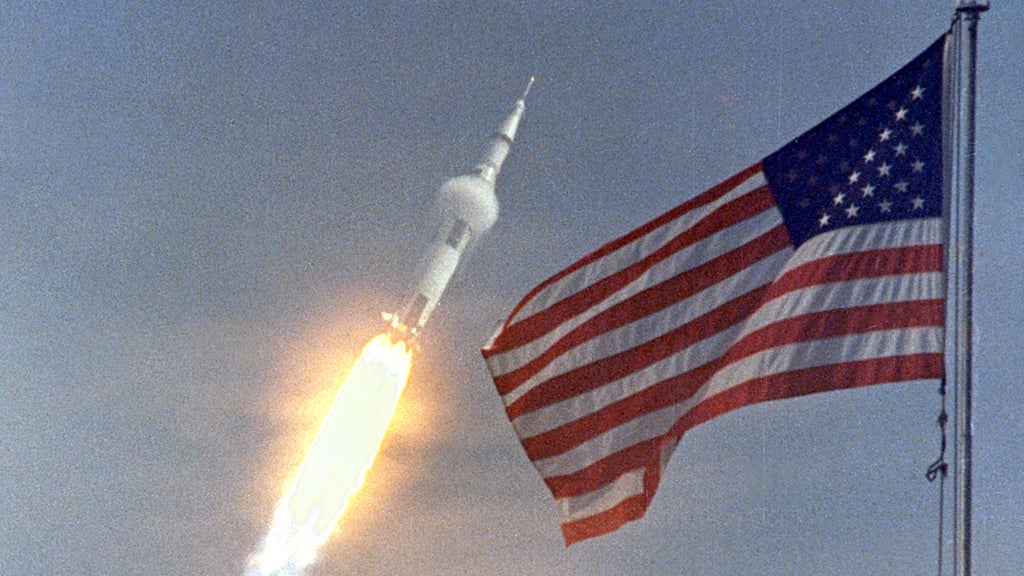
On May 25, 1961, President John F. Kennedy announces to Congress his goal of sending an American to the moon by the end of the decade and asks for financial support of an accelerated space program. He made the task a national priority and a mission in which all Americans would share, stating that it will not be one man going to the moon—it will be an entire nation.
On April 12, 1961, the Soviet Union had become the first country to send a man into space with the successful mission of Yuri Gagarin in the spacecraft Vostok 1. On May 5, American Alan Shepard flew into space, but did not orbit the earth as the Russian cosmonaut had. At that time, the U.S. and the Soviet Union were already locked in an arms race. Not to be outdone by America’s Cold War rivals, President Kennedy pledged in 1961 to support an American space program that would eventually dwarf the Soviet program in technological achievements and investment.
In a speech before Congress on May 25, JFK linked the need for a space program with the political and economic battle between democracy and communism. He urged Congress to mobilize financial resources to speed up the pace of the space program’s progress.
Kennedy’s vision did not become a reality until six years after his assassination. On July 20, 1969, then-President Richard Nixon watched with the world while Apollo 11 commander Neil Armstrong became the first human to walk on the moon. Just after Armstrong planted the American flag on the moon, President Nixon contacted Armstrong via phone to congratulate him on behalf of all Americans saying, “I just can’t tell you how proud we are.”
More news today
loading...