Today
20
in History
26
January
February
March
April
May
June
July
August
September
October
November
December
01
Fri
02
Sat
03
Sun
04
Mon
05
Tue
06
Wed
07
Thu
08
Fri
09
Sat
10
Sun
11
Mon
12
Tue
13
Wed
14
Thu
15
Fri
16
Sat
17
Sun
18
Mon
19
Tue
20
Wed
21
Thu
22
Fri
23
Sat
24
Sun
25
Mon
26
Tue
27
Wed
28
Thu
29
Fri
30
Sat
31
Sun
...
05-10-1980
Government approves $1.5 billion loan for Chrysler
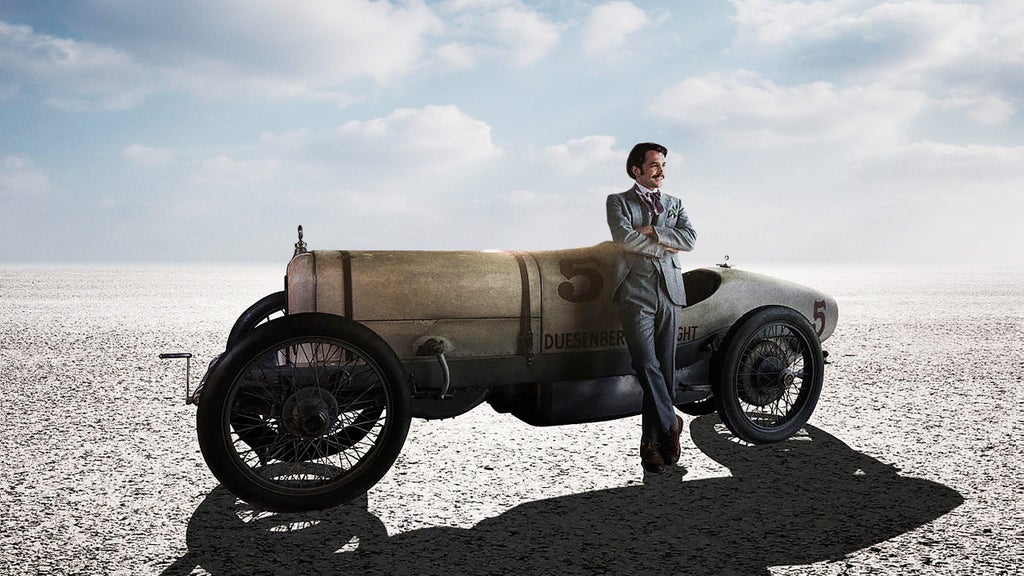
On May 10, 1980, United States Secretary of the Treasury G. William Miller announces the approval of nearly $1.5 billion dollars in federal loan guarantees for the nearly bankrupt Chrysler Corporation. At the time, it was the largest rescue package ever granted by the U.S. government to an American corporation.
Founded as the Maxwell Motor Company Inc. in 1913, Chrysler grew into the Chrysler Corporation after 1925, when Walter P. Chrysler took over control of the company. Its purchase of Dodge Brothers in 1928 announced Chrysler’s arrival as a major force in the U.S. automotive industry. After decades of expansion, the company’s success came to a screeching halt after the 1973 oil crisis led to skyrocketing gas costs and new government standards for emissions. The combination of these factors caused problems for the Big Three of American automakers—Ford, General Motors and Chrysler—as the trend towards so-called “muscle cars” in the 1960s had led them to produce vehicles with powerful, gas-guzzling engines. (Chrysler’s famous Hemi engine, used in cars like the Dodge Charger and Challenger and the Plymouth RoadRunner, was one of the most prominent examples.)
Explore the stories of the visionaries who built America’s vehicle landscape.
In an attempt to produce lighter, more efficient vehicles, Chrysler bought shares in the Japanese motor company Mitsubishi, which began producing subcompact cars under the Chrysler name in 1970. By the end of the decade, however, Chrysler was in dire financial straits. Lee Iacocca, the former Ford executive who became the company’s president and chairman of the board in 1978, appealed for a federal loan, banking on the fact that the government wouldn’t allow the country’s No. 3 automaker to declare bankruptcy in an already depressed economy. His gamble paid off: In explaining the decision to grant the loans to Chrysler, Treasury Secretary Miller stated that the government “recognizes that there is a public interest in sustaining [its] jobs and maintaining a strong and competitive national automotive industry.”
The terms of the $1.5 billion in loans required Chrysler to raise another $2 billion on its own, which Iacocca did by streamlining operations and persuading union leaders to accept some layoffs and wage cuts, among other measures. His high-profile personal leadership, combined with a focus on more fuel-efficient vehicles, steered Chrysler to one of the most famous corporate comebacks in recent history: In 1984, a year after paying off its government loans ahead of schedule, the company posted record profits of some $2.4 billion. Twenty-five years later, however, plummeting sales and a deepening global financial crisis landed Chrysler in trouble again, and in early 2009 the company received another $4 billion in federal funds. Soon after, under pressure from President Barack Obama’s administration, Chrysler filed for federal bankruptcy protection and entered into a partnership with the Italian automaker Fiat.
More news today
loading...